
Student Projects
Welcome to Our Student Project Showcase
This page highlights inspiring, hands-on work created by the next generation of engineers,
developers, and industrial automation professionals. Using ADISRA SmartView, students bring real-
world HMI/SCADA concepts to life through thoughtful design and practical application.
These projects showcase far more than technical skill; they reflect curiosity, creativity, and the ability
to transform ideas into fully functioning industrial solutions. We are proud to share these
applications as examples of what is possible, and we encourage you to connect with these talented
students as they continue to grow in their careers.

Battery monitoring through Human Machine
Interface (HMI) and Supervisory Control and
Data Acquisition (SCADA) systems is rapidly
expanding, driven by digital transformation,
renewable energy growth, and the increasing
demand for resilient power in data centers.
Key industry trends include the use of AI and
machine learning for predictive maintenance,
cloud and mobile accessibility, IIoT
integration, and a heightened focus on
operational reliability.
This ADISRA SmartView application provides
real-time monitoring and statistical analysis
of batteries and other power sources. It
visualizes critical parameters such as voltage,
current, charge levels, and overall system
health, showcasing how ADISRA SmartView
can transform raw data into actionable
insights.
Once you download the application, the
username and password are:
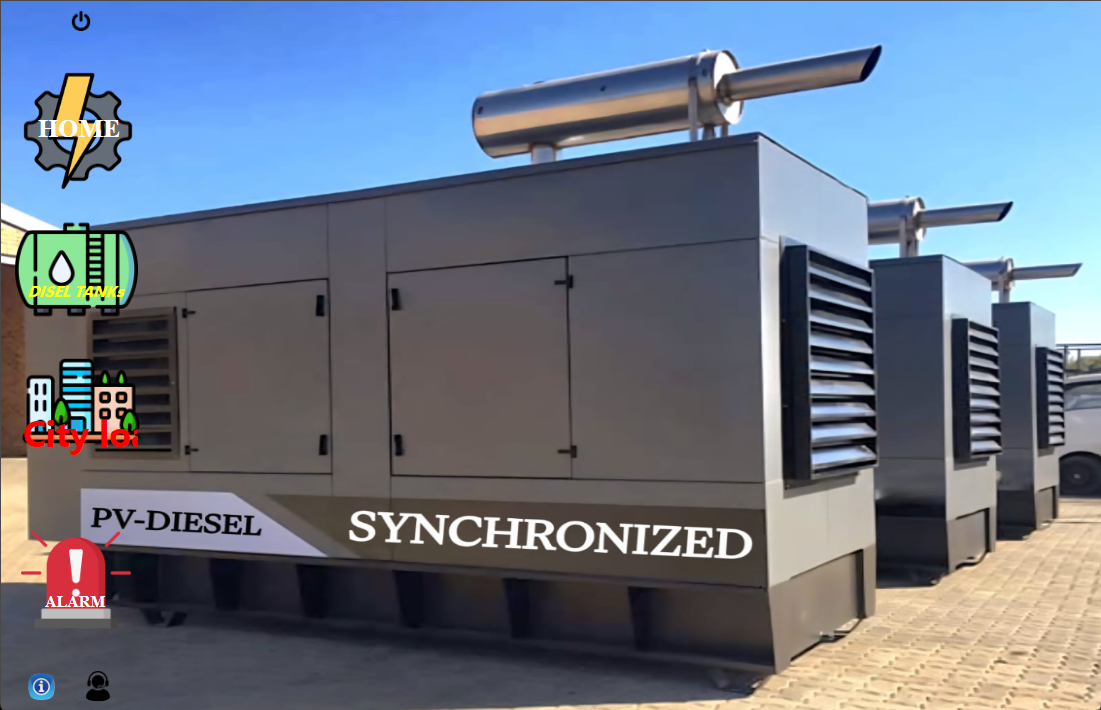
This ADISRA SmartView project is designed to
monitor and control a hybrid energy
infrastructure that includes generators, solar
panels, and fuel tanks—components
commonly found in modern industrial and
remote power systems. As industries
accelerate their transition to cleaner, more
resilient energy strategies, hybrid diesel-solar
systems are becoming increasingly essential
for reducing fuel consumption, improving
uptime, and lowering operational costs.
The application provides real-time visibility
into critical energy assets, tracking key
parameters such as generator performance,
solar production, fuel levels, system load,
alarms, and overall energy efficiency.

The patient monitoring device market is
expanding rapidly, fueled by technological
innovation and the increasing need for
continuous, real-time surveillance that meets
stringent regulatory and interoperability
standards.
A hospital or veterinary supervision screen
built with ADISRA SmartView provides a clear,
intuitive graphical interface that displays real-
time data from sensor tags to track patient or
animal status. Designed for operational
clarity, these screens help caregivers make
informed decisions, respond quickly to
changes, and manage alarms with confidence.
The chocolate confectionery industry is facing
unprecedented challenges, from climate-
driven supply shortages and extreme weather
to widespread crop diseases, aging cacao
trees, and decades of underinvestment in
farms, especially in major producing regions
like Ghana and the Ivory Coast. With shrinking
margins and rising uncertainty, efficiency
across the supply chain has never been more
essential.
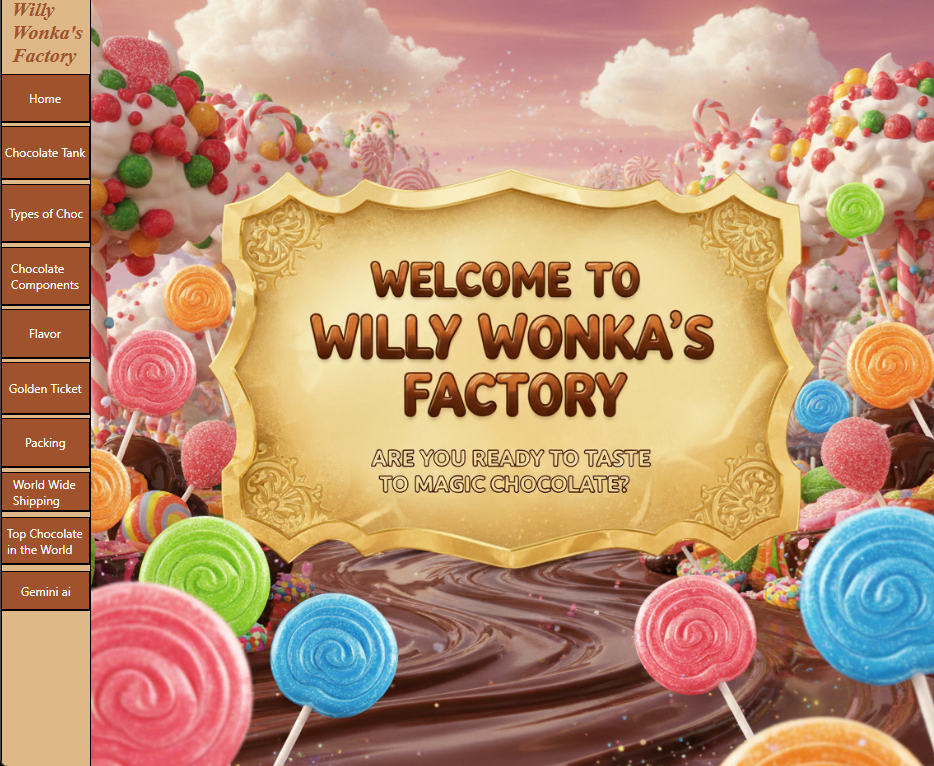
This project showcases an ADISRA SmartView
application designed to manage a fictional
Willy Wonka–style chocolate factory,
providing end-to-end visibility from
production through distribution. The system
demonstrates how modern HMI/SCADA tools
can streamline operations, improve decision-
making, and even help identify potential
supply-chain partners. It’s a fun, imaginative
way to explore real-world industrial
automation challenges within a whimsical
chocolate-factory setting.
Rising global demand for natural
stone—marble, granite, and engineered
materials—is accelerating the industry's shift
toward automation, precision cutting, waste reduction, and improved safety. Fabrication
shops are rapidly moving from manual
processes to CNC machines with intelligent
operator interfaces.
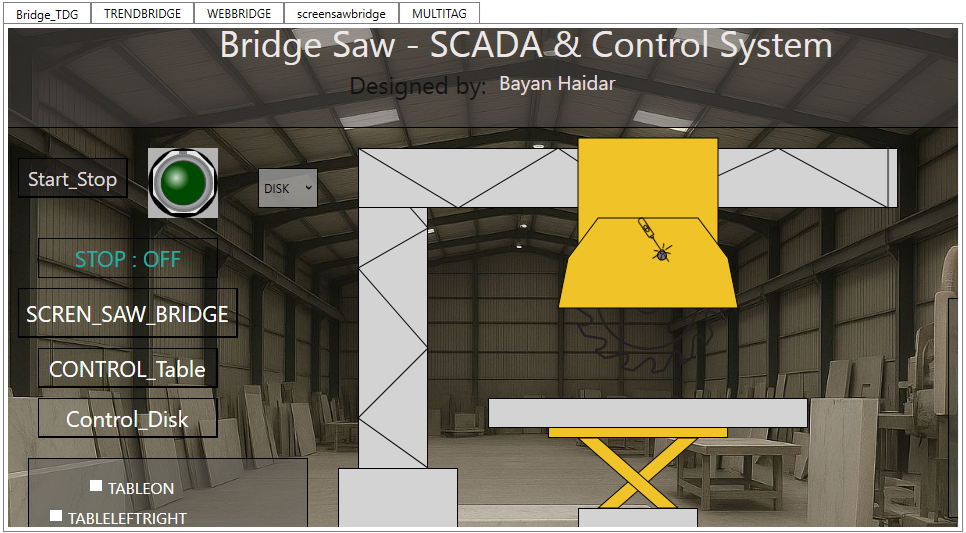
This student project features an ADISRA
SmartView application that simulates and
controls a modern stone-cutting machine.
The interface demonstrates how industrial
automation software streamlines key
operations, including cutting-head
positioning, spindle speed, water flow, and
cut sequencing, while introducing students to
essential concepts such as predictive
maintenance, production monitoring, energy
efficiency, and operator safety.

As residential solar adoption continues to
grow worldwide, homeowners increasingly
rely on smart monitoring systems to track
energy production, storage, and usage.
Modern solar setups include panels,
inverters, batteries, and grid connections, all
of which must work together efficiently to
maximize energy savings and reliability.
This student project showcases an interactive
interface for monitoring a home solar energy
system. The application visualizes key
components—including solar panels,
inverters, battery storage, the electrical grid,
and additional supporting
equipment—allowing users to observe real-
time status, power flow, and system
performance.

Modern buildings rely on safe, efficient
elevator systems, and real-time monitoring
plays a crucial role in ensuring smooth
operation. From tracking usage patterns to
detecting faults early, data-driven oversight
helps reduce downtime, improve safety, and
enhance the tenant experience.
This student project features an elevator
management interface that simulates how
building operators monitor and maintain
multiple elevators. The application includes
real-time status displays, performance data
trend charts, and an alarm system to detect
issues such as door malfunctions, overload
conditions, and extended wait times.
With rising energy costs and a growing focus
on sustainability, modern HVAC systems are
becoming more innovative and more data-
driven. The industry is trending toward real-
time monitoring, predictive maintenance, and
energy-efficiency optimization to improve
comfort while reducing operational expenses.
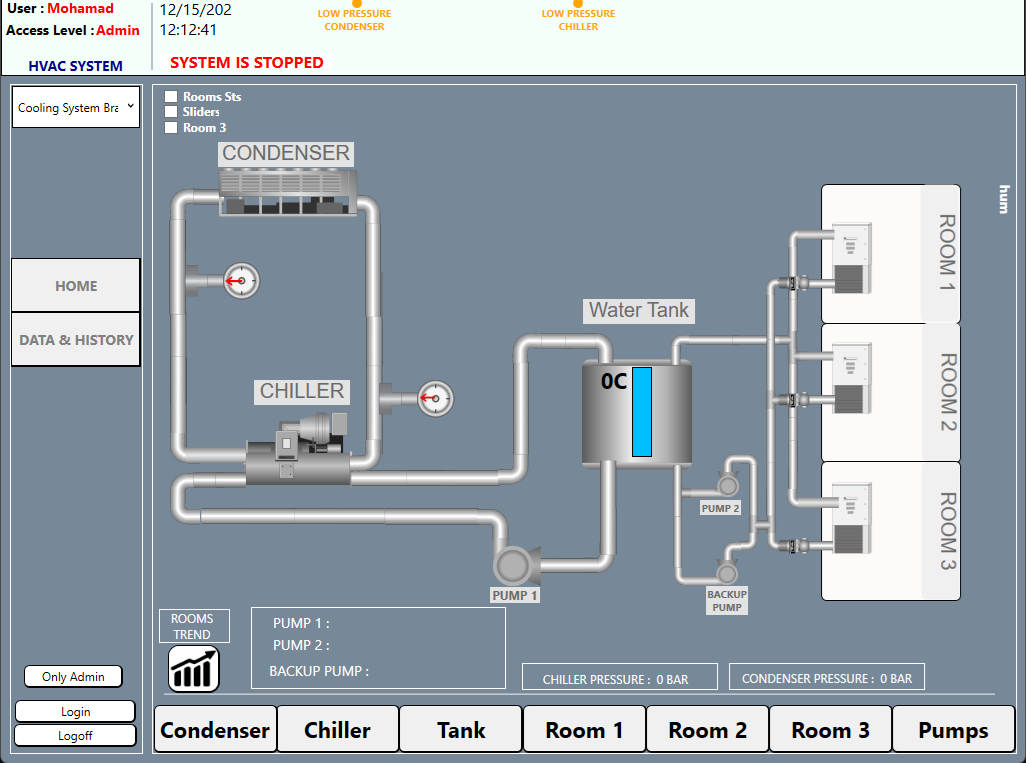
This project showcases an HVAC monitoring
application that collects and stores
temperature data across multiple
environments and visualizes it through line
charts and bar graphs. By separating each
zone, the interface highlights performance
trends and inefficiencies, demonstrating how
data visualization supports more intelligent
climate control and more efficient building
management.
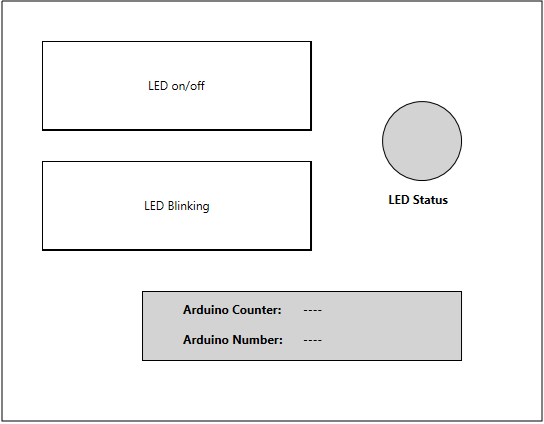
This student project demonstrates how easily
ADISRA SmartView can connect to an
Arduino, a platform that has evolved from a
hobbyist favorite into a widely used
industrial-grade edge device. Using the
Modbus Serial protocol—a lightweight and
reliable method for data exchange—the
setup requires no additional hardware. The
Arduino uses its Modbus library to
communicate with ADISRA SmartView over
USB.
In this example, you will learn how to:
– Send data from Arduino to a SCADA system.
– Receive data from SCADA back to Arduino.
– Send and receive data simultaneously for
full bidirectional control.
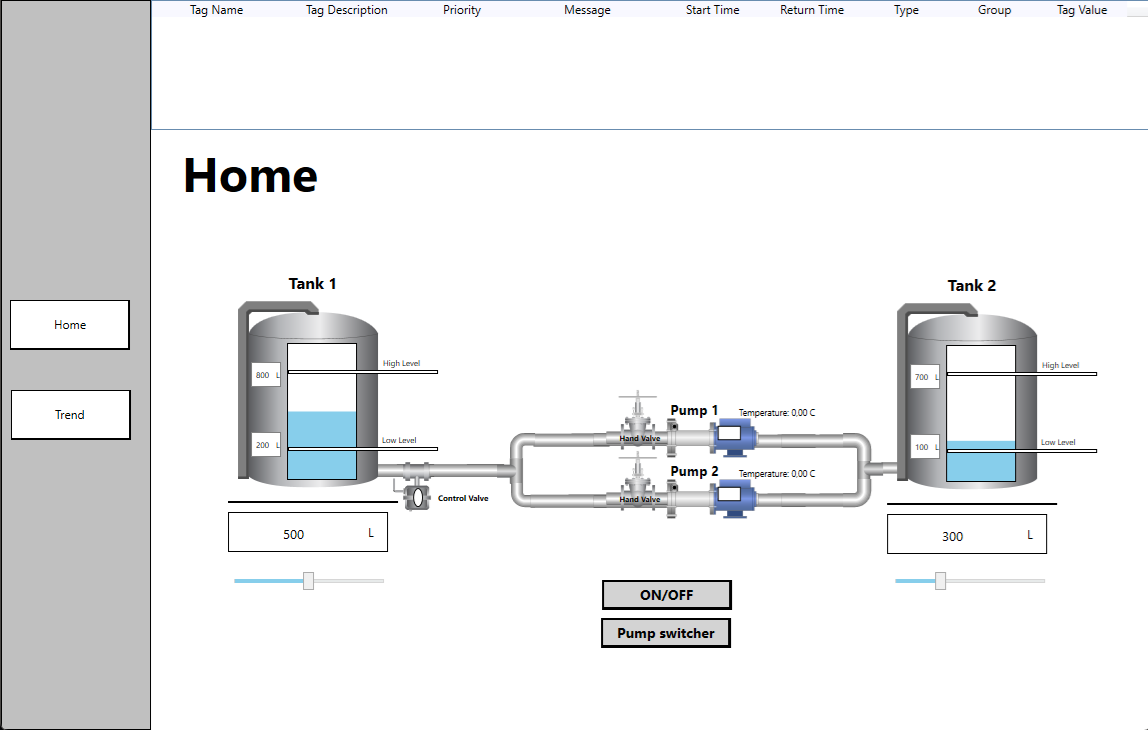
Water Tank Transfer System
As global demand for clean water continues
to rise, utilities and industrial facilities are
increasingly adopting smart monitoring and
control systems to improve reliability and efficiency.
This student project uses ADISRA SmartView
and ULEAP to simulate a two-tank water
transfer system. It provides a practical
foundation for understanding how real
facilities manage water movement, maintain
safe operating levels, and respond to system
events.
Key Features Implemented
– Primary and backup pumps to manage
water transfer between tanks
– Adjustable high/low level sensors with input
validation to prevent errors
– Real-time simulation of tank levels and
pump activity
SCADA interface with multiple pages,
including:
– Alarm page for system events
– Trend page to visualize water level changes
– Navigation tabs for tank switching
– Pump toggle controls
– Custom reusable templates to streamline
development and maintain consistency
MAKE ADISRA YOUR SOURCE FOR ALL OF YOUR INDUSTRIAL APPLICATION NEEDS
Sign up for our newsletter or contact us to learn more about our products.
Lorem ipsum dolor sit amet, consectetur adipiscing elit. Ut elit tellus, luctus nec ullamcorper mattis, pulvinar dapibus leo.